
Honey is one of nature’s most perfect foods — but here’s the catch: not all honey is created equal. At many farmers markets, roadside stands, or online shops, you’ll see jars labeled “raw,” “pure,” or “local,” but those words aren’t always backed up by reality.
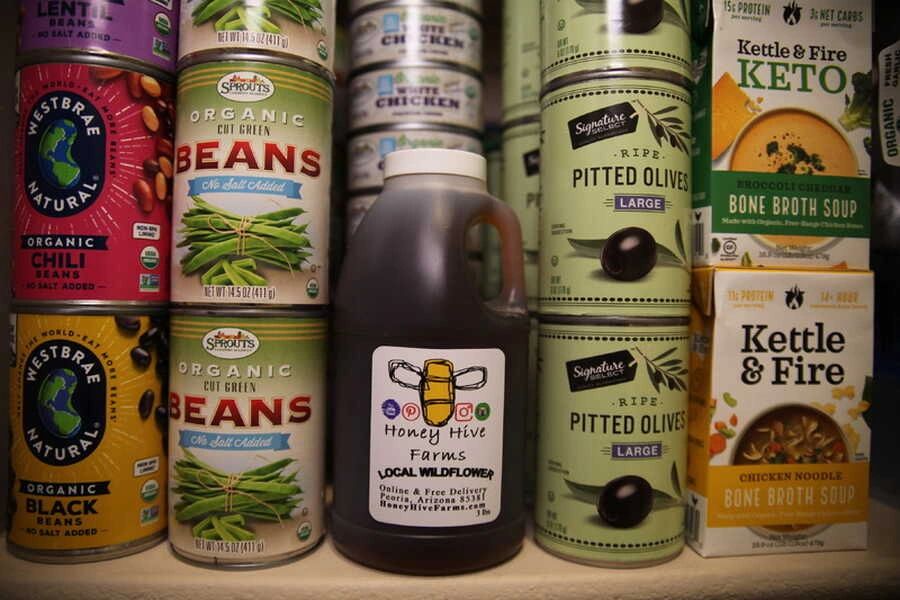
Some sellers are genuine beekeepers who harvest their own honey and bring it straight from the hive to your table. Others, however, may buy bulk honey (sometimes imported and ultra-processed) and simply repackage it in jars with a “local” label. Unfortunately, much of that bulk honey is filtered, pasteurized, or even mixed with syrups like rice syrup, sugar syrup, or corn syrup — leaving customers with something that looks like honey, but doesn’t deliver the true flavor or health benefits.
If you want the real deal — raw, pure, local honey, here are the five essential questions you should ask your honey seller. These simple questions can help you separate the authentic beekeepers from resellers and make sure you’re getting honey worth your money.
1. Do you have your own bees?
This is the most important question to ask. If someone is truly a beekeeper, they’ll be proud to tell you about their hives. They may even share stories about their bees, the types of flowers the bees forage on, and the seasonal variations in flavor.
Why it matters: If the seller doesn’t have their own bees, there’s a good chance they are a reseller. While reselling honey isn’t necessarily “bad,” it often means you aren’t getting local raw honey. Instead, you may be buying the same bulk honey available in big-box stores.
👉 At Honey Hive Farms | Arizona Honey in Arizona, we maintain our own hives and care for our bees year-round. Every jar of honey we sell comes directly from our bees, not from an outside supplier.
2. Is all this honey from those bees?
Even if someone has bees, you want to make sure that the honey they’re selling actually comes from their hives — and not partly from bulk suppliers.
Why it matters: Some sellers may keep a few hives for display but still rely on imported or bulk honey to fill most of their jars. Asking this question ensures transparency.
What to look for: A true beekeeper can tell you when their honey was harvested, what flowers were in bloom, and how much they were able to produce that season.
👉 Pro Tip: If the seller has dozens of varieties that don’t naturally grow in your area (like “Himalayan” or “New Zealand Manuka” at a U.S. farmers market), that’s a red flag.
3. Do you mix anything into your honey?
This might feel awkward to ask, but it’s one of the most important. Real raw honey is never mixed with additives — it’s simply honey, just as the bees made it.
Why it matters: Some sellers add rice syrup, corn syrup, or sugar syrup to stretch their supply. Others may infuse honey with flavors (vanilla, cinnamon, chili peppers, etc.). While flavored honey can be fun, it’s not the same as pure honey.
Health benefits: Only pure, raw honey delivers the natural enzymes, pollen, antioxidants, and immune-supporting benefits people look for. Once it’s mixed with syrup or overheated, it’s no longer “real honey” in the nutritional sense.
👉 At Honey Hive Farms | Arizona Honey, our honey is 100% pure — we never mix, cut, or dilute it. What you taste is exactly what the bees created. Single Soruce
4. What area are your hives in?
This question is crucial because honey reflects the environment around the bees. Bees gather nectar and pollen from local flowers, and that determines the flavor, aroma, and health properties of the honey.
Why it matters: If the seller can’t tell you where their hives are, chances are they aren’t producing the honey themselves.
Local advantage: Buying honey from hives in your area means you’re supporting pollination in your community and may even help with seasonal allergy relief since the honey contains trace pollen from the same plants you’re exposed to.
Flavor profile: For example, our Arizona Wildflower Honey has a unique taste influenced by desert blooms like mesquite and cactus flowers. Honey from other regions will taste completely different, which is part of the beauty of buying local.
5. Do you harvest this honey yourself?
This question separates the hands-on beekeepers from middlemen. A real beekeeper knows exactly how their honey was harvested, strained, and bottled.
Why it matters: If they harvest themselves, you can be confident the honey is minimally processed — usually just strained to remove bits of wax, but never heated or over-filtered. That preserves all the natural enzymes and nutrients.
Red flags: If the seller can’t explain how or when the honey was harvested, it’s likely they didn’t do it themselves.
👉 At Honey Hive Farms | Arizona Honey, we harvest our honey by hand and bottle it in small batches. That’s how we ensure the highest quality and preserve the raw, natural goodness of the honey.
Final Thoughts: Supporting Real
Beekeepers Matters
When you buy honey, you’re not just buying a sweetener — you’re buying into a food that has been treasured for thousands of years for its flavor, nutrition, and healing benefits. But in today’s market, there’s a big difference between real raw honey from a beekeeper and mass-produced honey blends from resellers.
By asking these five questions —
Do you have your own bees?
Is all this honey from those bees?
Do you mix anything into your honey?
What area are your hives in?
Do you harvest this honey yourself?
—you’ll quickly know whether you’re supporting a true beekeeper or just buying a jar of generic honey.
At Honey Hive Farms in Arizona, we believe in full transparency. Our honey is raw, local, and harvested by hand from our own bees. That’s why our customers come back year after year for the taste, purity, and quality they can trust.
https://honeyhivefarms.com/
#raw honey, #local #ArizonaHoney #honeyhivefarms #purehoney #singlesource